
Skip to content
brightside

Coaching · live 1:1 · from first words to the biggest stage

coaching for the rooms that decide things

Five programmes, each built on the Brightside Six and each answering one honest question. Below is every programme in depth: who it truly helps, the foundations it builds, the curriculum in order, what a session looks like and how progress is reviewed.

Pranali, an anchor and RJ and Brightside learner, smiling at the camera
you talkmost of the hour
1:1live, never a group

A film from the founder · 27 seconds

before you pick a programme, hear what actually happens

"You get a tutor who becomes yours, someone who is warm about it and honest with you."

Jonah Joy, Founder and CEO

Read the transcript

Hi, if you're here about something about how you speak is bothering you a little, then that's a good sign. It means that you care. Here's what actually happens at Brightside. You get a tutor who becomes yours, someone who is warm about it and honest with you. Some days it feels like the one teacher in school who genuinely believed in you. None of them turned into someone else. They just stopped holding back. Have a look. Start wherever you feel is honest.

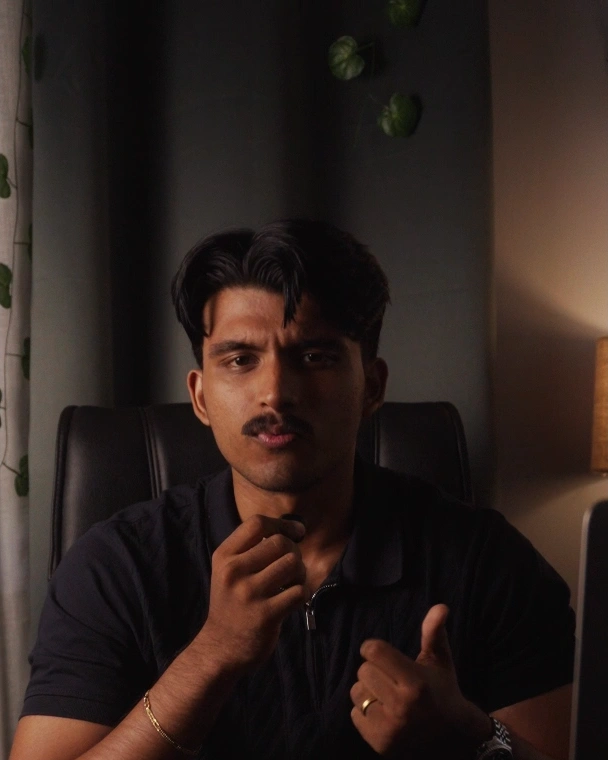
Jonah Joy, Founder and CEO of Brightside English, speaking to camera

Programmes

five programmes, one question each

We suggest exactly one, based on your situation and what is at stake, never on budget. Plans come in different lengths, and your coach suggests one after the Trial Class. Not sure where you fit? The Six explain it: read the framework.

Programme 1 · 60 minute sessions · Practice Coaches

spark

Can I speak without freezing?

"You already know English. You've just never had a safe place to speak it."
BuildsClarityStructureVoicePresenceConnectionInfluence

who it truly helps

  • The fresher on mute. Sure of the work, unsure of the sentence, so the camera stays off in team calls.
  • The newcomer in a new city. Neighbours, the doctor, a party where everyone else seems at ease, and every sentence planned in advance.
  • The career returner. Confident once. A few years at home, and the rhythm of speaking has faded from lack of use.
  • The owner with new customers. The shop or the clinic now serves people who speak English, and every reply is rehearsed first.
  • The parent at the school gate. Other parents chat easily; a teacher asks a question; English was learnt as a written subject, never a spoken one.

is this for me?

  • You understand almost everything, then go quiet when it is your turn.
  • You build the sentence in another language first, and the moment passes.
  • One mistake and you stop, and cannot find your way back in.
  • You avoid calls, parties and small talk you could easily handle in your own language.

Probably not yet if you already speak freely and want polish for senior rooms. Century fits better.

the foundations it builds

The two layers everything else rests on. Clarity, so the sentence you mean is the sentence that comes out. Voice, so it comes out steady and unhurried. Confidence is not taught as a topic here. It is what the practice leaves behind.

the curriculum, in order

  1. Getting the words out: starting and finishing sentences without freezing.
  2. Thinking in English instead of translating in your head.
  3. Grammar in use, learnt through real conversation rather than rules.
  4. Everyday, social and workplace vocabulary: small talk, phone calls, asking for what you need.
  5. Clear pronunciation, meaning being understood, never losing your accent, and recovering calmly from a mistake.

what a session looks like

  1. A warm-up chat about your day.
  2. One real scene from your week, a call with the bank or small talk at a family wedding, replayed with your coach.
  3. Live correction of grammar, words and sounds while you speak.
  4. The same scene again, cleaner.
  5. A short speaking mission to do before the next session.

how progress is reviewed

Your first session maps where you are. Every ten sessions there is a measured progress check, so progress is seen, not guessed. The course closes with an unscripted showcase: you speak, without notes, about something that matters to you.

60 minute sessions with a Practice Coach. Plans of different lengths; your coach suggests one after the Trial Class.
Programme 2 · 30 minute sessions · mid-level and Senior Coaches

stride

Can I keep English switched on every day?

"You don't need more time. You need 30 minutes that never get cancelled."
Works onClarityStructureVoicePresenceConnectionInfluence

who it truly helps

  • The professional between client calls. IT and services people whose only open window is early morning or late evening.
  • The professional abroad. Working on Gulf, UK or US time and keeping English sharp far from home.
  • The person with a date. A wedding toast, a sales pitch or a hard conversation a few weeks away, and a short, focused sprint to prepare.
  • The shift worker and the parent. Healthcare staff and busy parents whose spare time comes in thirty-minute pieces.
  • The person apps did not reach. They tried, and found they needed a human who notices, every day.

is this for me?

  • You already speak reasonably well, but an hour never fits your day.
  • Fast-talking clients leave you a sentence behind.
  • Fillers rush in the moment an unexpected question lands.
  • You have one skill to sharpen, or a date to prepare for.

Probably not yet if you freeze completely when speaking (start with Spark), or if you need deep presentation work (Century).

the foundations it builds

Stride works one layer at a time, usually Clarity, Structure or Voice, with a single sharp target in every session. The depth comes from frequency: short, focused practice that keeps the skill warm between the moments that test it.

the curriculum, in order

  1. One sharp target every session: a sound, a structure or a type of answer.
  2. One skill at a time: a pitch, a toast, small talk, a hard conversation.
  3. Building speed, with fewer fillers.
  4. Handling unexpected questions on the spot.
  5. Keeping English switched on every day.

what a session looks like

  1. A two-minute check on yesterday's target.
  2. Today's single target, for example "answer first".
  3. Rapid-fire timed questions.
  4. A micro role-play: a sixty-second pitch, a toast, or the opening line of a hard conversation.
  5. Instant correction, then again until it is clean.

how progress is reviewed

Every session opens by checking the last target, so one target closes before the next begins. Your coach tracks your error patterns, so the same mistake does not survive the week.

30 minute sessions, as often as daily. Plans of different lengths; your coach suggests one after the Trial Class.

Programme 3 · 60 minute sessions · mid-level and Senior Coaches

century

Can I sound polished and credible at work?

"Your work is good. Century makes sure the room knows it."
BuildsClarityStructureVoicePresenceConnectionInfluence
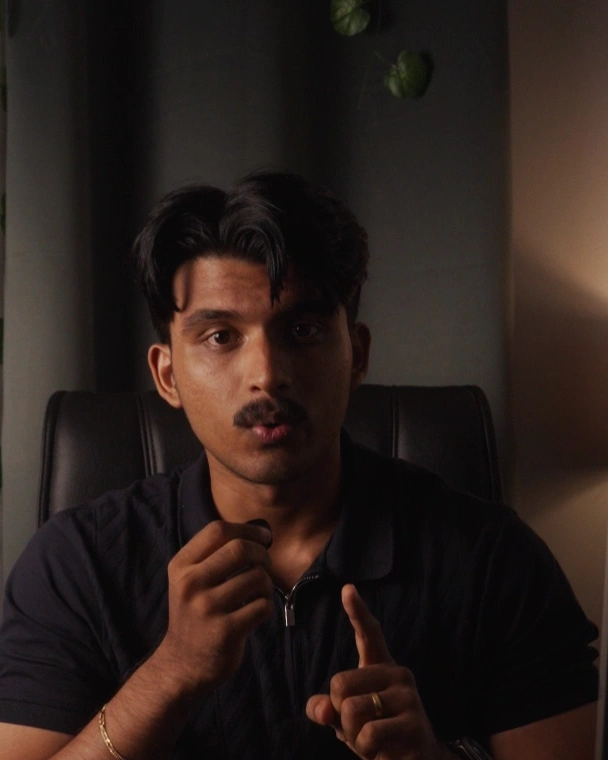
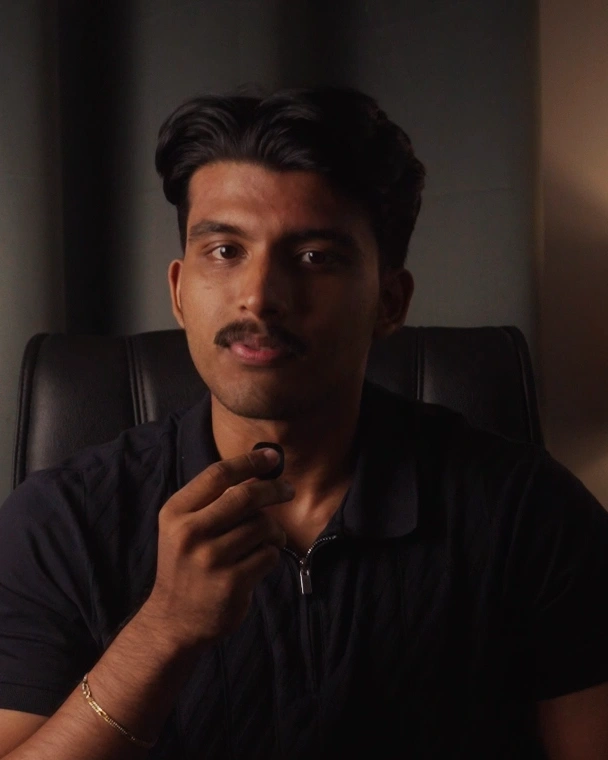
Jonah Joy introducing the Century programme

The film · Jonah on Century

"This is where people stop saying that they are working on their English and just start speaking confidently."

Jonah Joy, Founder and CEO

Read the transcript

Century is for a person who is already good at their job and quietly tired of being underestimated in meetings. One hour, one tutor, the same tutor throughout. They will know how far you have come, what you were struggling with in session 2, and can do what you think you could never do. Every session is recorded for you and the tutor to watch and learn against, obviously against your own quality standards, so that you know your progress is something that you actually see. This is where people stop saying that they are working on their English and just start speaking confidently. If that's where you are, then this is your course.

who it truly helps

  • The overlooked professional. Three to fifteen years in, fluent enough to work in English, and passed over because of how they come across.
  • The new manager. Briefing the team, giving first feedback to a former peer, and representing them upward.
  • The expert who loses the room. Engineers, doctors and analysts who know the subject deeply and lose people explaining it.
  • The client-facing professional. International clients, escalation calls, and the need to sound sure while thinking fast.
  • The professional asking for more. An appraisal, a raise, a rate with a client, or a stakeholder who needs convincing.

is this for me?

  • You have ideas but contribute late, or not at all.
  • You write better than you speak.
  • A senior asks a simple question and you over-explain.
  • Your presentations undersell the work behind them.
  • You avoid disagreeing, even when you are right.

Probably not yet if you freeze completely (Spark first), or if your next step depends on negotiation and influence at senior level (Transformation).

the foundations it builds

Structure, Voice and Presence, on top of steady Clarity. Authority is not taken. It is built, one sentence at a time: the answer first, a voice that does not rush, and the composure to hold the floor when someone interrupts.

the curriculum, in order

  1. Answer first, then reasons: saying it in half the words.
  2. A professional tone and a confident voice: pace, pause, emphasis, and disagreeing politely.
  3. Feedback, hard conversations and spontaneous replies, including interruptions.
  4. Presentations and explaining your work: openings, transitions, closings and questions.
  5. Your real situations rehearsed with feedback: client and stakeholder conversations, negotiating a raise or a rate, appraisals, networking.
  6. Written communication for work: emails, updates and summaries that sound senior.

what a session looks like

  1. You give a 90 second update on your current project.
  2. Your coach shows where the main point arrived late.
  3. You rebuild it answer first.
  4. Your real client or stakeholder conversation, rehearsed with pushback.
  5. Structured feedback on how it went.
  6. One line to use this week.

how progress is reviewed

Feedback is written against your own scenarios, not textbook exercises. Your coach tracks countable things, such as how long you take to reach the main point and how often fillers appear in a three-minute update, and the plan builds towards a full presentation of your own work.

60 minute sessions with a mid-level or Senior Coach. Plans of different lengths; your coach suggests one after the Trial Class.
Programme 4 · 60 minute sessions · Elite Coaches, the top 5% of Brightside coaches

transformation

Can I persuade, negotiate and lead with words?

"You are already good. This is for the conversations where good is expensive."
BuildsClarityStructureVoicePresenceConnectionInfluence
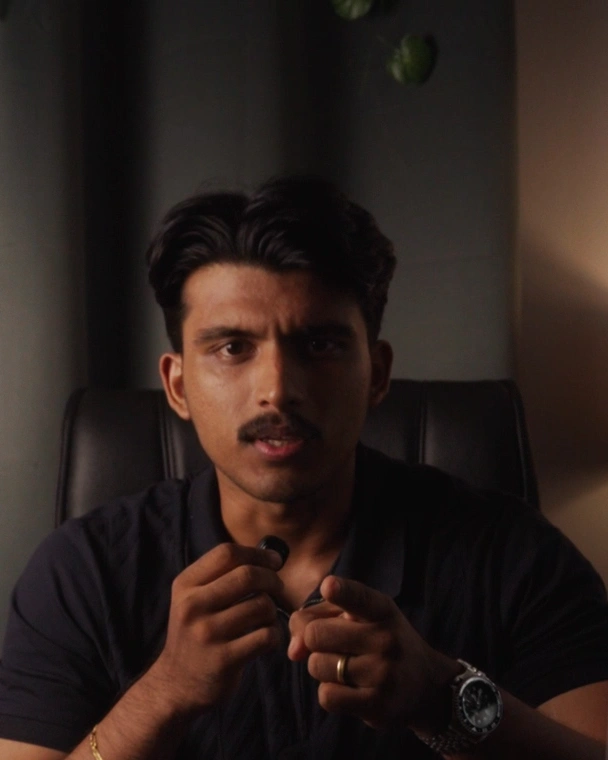
Jonah Joy introducing the Transformation programme

The film · Jonah on Transformation

"What we work on over here is your presence, how you enter a room, how you hold a pause."

Jonah Joy, Founder and CEO

Read the transcript

By this point, your English is fine. What we work on over here is your presence, how you enter a room, how you hold a pause, how you disagree with someone senior than you, and keep both the point and the relationships. 60 minutes, unhurried, with a tutor that I have trained personally for this kind of stuff, the kind of conversation where you can think out loud, nobody rushes you. Now, most people at your level have already spent this more than on a single flight to a meeting that went fine. This is the thing that makes the meetings go well. Ask yourself just one question. Are you improving your English, or just changing how people receive you?

who it truly helps

  • The senior leader. Directors, VPs and CXOs whose next level depends on influence, not more expertise.
  • The owner and the successor. Business owners, founders and the next generation stepping into a family business.
  • The deal maker. Sales heads, consultants and partnerships leads working on contracts where every sentence has a price.
  • The public face. Speakers, creators and leaders whose words reach a stage, a camera or the press.
  • The global seller. Exporters and NRI entrepreneurs working with buyers in the US, UK, Europe and the Gulf, without giving up who they are.

is this for me?

  • You are the expert, and the room still does not buy in.
  • You give away margin in negotiations you should hold.
  • Investor or board questions pull you off your line.
  • You rehearse a presentation many times and still lose the room.
  • You edit yourself mid-thought in senior company.

Probably not yet if you are still building everyday fluency or workplace structure. Century builds that first.

the foundations it builds

Presence, Connection and Influence: calm authority, the trust that makes people open up, and persuasion that brings credibility, emotion and reason together. It assumes the lower layers are steady and works where the stakes are highest: the board, the deal, the stage and the camera.

the curriculum, in order

  1. Persuasion and influence in your real conversations.
  2. Negotiation and tough questions.
  3. Executive presence and composure under pressure.
  4. Pitching, keynotes and on-camera presence, without notes.
  5. Leadership and difficult conversations, simulated from your own situations.

Across a plan the work can also reach influence without authority, stakeholder management, strategic storytelling, executive writing, and public and media presence.

what a session looks like

  1. The brief: before you join, your coach reads your notes and shapes the hour.
  2. The simulation, most of the hour: your real pitch, negotiation or board update, with your coach playing the hard room. Hot-seat questions, a rebuilt opening, then again.
  3. The debrief, the last few minutes: who you are after this hour, and your new baseline.

how progress is reviewed

Simulations are scored against a skills rubric, so you can see which parts hold under pressure and which do not yet. Every session closes on a new baseline. Longer plans include sessions led or overseen by Jonah Joy.

60 minute sessions with an Elite Coach. Plans of different lengths; your coach suggests one after the Trial Class.

Programme 5 · bespoke · by application · with Jonah Joy

founder's signature

What is my signature voice, and is it ready for my biggest moment?

Jonah Joy, Founder and CEO of Brightside English

For a round, a stage, a board or a handover. Two of your sessions are with Jonah Joy, Founder and CEO, and the rest with a Brightside coach.

BuildsClarityStructureVoicePresenceConnectionInfluence
Jonah Joy introducing Founder's Signature

The film · Jonah on Founder's Signature

"When you speak, you are speaking for everyone that is employed under you."

Jonah Joy, Founder and CEO

Read the transcript

I want to be straight about why the Founder's Course is only on application and selective basis. When you speak, you are speaking for everyone that is employed under you. One unclear answer in a funding room or a press call costs more than this entire course. That is the honest math of it. Two of your sessions are with me directly. The rest are with tutors that I have handpicked from my pool, trained personally for exactly this type of work, with a student like you. Nothing here is fixed. Nothing here is templated. Nothing is standard. Apply and we will tell you honestly whether this is the right fit for you. I look forward to having you in class.

who it truly helps

  • The founder before a round or a stage. The pitch, the keynote, the press conversation that will be quoted.
  • The CEO, MD or promoter. Including family businesses in transition, where the next voice has to be trusted.
  • The leader moving into a board or public role. Where every sentence now represents more than one person.
  • The head of an institution or a cause. Hospitals, schools, foundations and movements whose leader is also its public face.
  • The leader who needs confidentiality. Senior people who need candid work, kept entirely private.

is this for me?

  • A defining moment has a date.
  • Your voice now carries a company, a cause or a family name.
  • You want direct, candid feedback, in confidence.

Probably not if you want broad skill-building over many months. Transformation with an Elite Coach fits better.

the foundations it builds

All six layers at the level where one voice carries an organisation, with the work centred on Influence: the thesis you stand for, the story you tell in two minutes or twenty, and the composure to hold it under the hardest questions.

how it works, in order

  1. An application about your moment: the stakes, the date and your role.
  2. A first working session with Jonah on the real situation. Both sides decide on fit.
  3. Your seat and plan confirmed.
  4. A programme built backwards from your real events.

what a session looks like

A live rehearsal of your actual upcoming event, such as the investor pitch for your next round or a keynote: strategy first, then delivery, then the hardest questions you expect to face.

how progress is reviewed

Against your real events: what you rehearsed, what happened in the room, and what changes before the next one.

Seats are limited and confirmed after a first session with Jonah.

Apply on WhatsApp

The method, in every programme

inside an hour, you do the talking

The conversation is the curriculum. A coach hears where you hesitate, where the point arrives late, and works on it while you speak.

  1. 1

    Warm-up

    A real chat about your day, so English is switched on before the work starts.

  2. 2

    A real scene from your week

    The client call, the toast, the feedback you owe someone, the pitch. You bring it and replay it with your coach.

  3. 3

    Live correction

    Your coach stops, rewinds and rebuilds with you: the sentence, the structure, the pace, the opening. Then you run the scene again, cleaner.

  4. 4

    The speaking mission

    One specific thing to say in your real life before the next session. Confidence is built here, by doing.

  5. 5

    The note you keep

    The line to use this week and the one thing to notice. Progress is checked along the way, not guessed.

Solutions by situation

the same skill, in every part of life

A wedding toast and an investor pitch ask for the same things: the point first, a steady voice, and the presence to hold it. What changes is the stakes. Start from the situation in front of you.

Where do the words get stuck?

leading and influence

new manager · team lead

Leading a team

"Last month they were my peers. Now I set the direction."

  • Setting direction so people follow, through change too
  • Feedback that lands and is still kind
  • Running the room instead of sitting in it

FitsCentury; Transformation as the role grows

every level

Hard conversations

"I said yes to my director when every part of me meant no."

  • Saying no and pushing back on a senior, respectfully
  • Letting someone go, or an apology that repairs
  • Receiving criticism without shrinking

FitsCentury; Transformation for senior stakes

senior leader

Presence and buy-in

"I'm the expert in the room. The room still doesn't buy in."

  • Calm authority without sounding harsh
  • Building buy-in with a board, a partner or a whole company
  • Holding your position under pushback

FitsTransformation; Founder's Signature for a defining event

business, sales and negotiation

founders · sales · owners

Pitching or selling

"Twenty minutes with an investor, and my answers got longer as the questions got harder."

  • Your story in two minutes or twenty, to investors, clients or a bank
  • Handling objections without defending too hard
  • The follow-up that keeps the door open

FitsCentury for client selling; Transformation for investors; Founder's Signature for a round with a date

professionals · owners · leaders

Negotiating

"I gave the discount before they even asked for it."

  • Salary, rates, contracts, vendors and deals
  • Knowing where you walk away, and saying the number
  • Holding steady through silence

FitsCentury for a raise or a rate; Transformation for deals

business owners

Customers, suppliers, export buyers

"My customers speak English now. So does the buyer in Dubai."

  • Sales and service conversations that sound warm
  • Suppliers, distributors and officials
  • Pitching to banks and investors

FitsSpark to start; Transformation or Founder's Signature as the stakes grow

every level

Networking and small talk

"I go to the event, say my name, and nobody remembers it."

  • Introducing yourself so people remember you
  • Small talk that opens doors, then the second question
  • Leaving a conversation gracefully

FitsStride for focused practice; Century for professional settings

stage, camera and public life

every level

Speaking on stage

"A conference, a wedding toast, the school annual day. My hands shake for a week before."

  • Openings, transitions and closings that hold a room
  • Pace, pauses and nerves relabelled as energy
  • Questions and thinking on your feet

FitsStride for one speech; Century; Transformation for keynotes

creators · public faces

On camera

"On the fifth take I still don't sound like myself."

  • Reels, YouTube, podcasts and webinars in a natural voice
  • Writing for the ear, not the eye
  • Press and media conversations

FitsCentury; Transformation for public and media presence

teachers · trainers

Holding a room

"By minute ten I can feel the room drifting away."

  • A voice that carries without strain
  • Stories people remember and repeat
  • Handling the question that is not in the plan

FitsCentury; Transformation for large audiences

transitions and new roles

early career to senior

A new role or a promotion

"I got the role. Now I have to sound like I belong in it."

  • Your first weeks: introductions, expectations, your first update
  • Describing your work in clear, specific words
  • The promotion panel, or the interview that gets you there

FitsStride for a sprint; Century for the role itself

returners · career changers

Restarting or switching paths

"I used to be confident. A few years away and the words feel far."

  • Warming the voice back up, with no judgement
  • Telling the story of the break or the switch with confidence
  • Starting a business and saying what it is in one breath

FitsSpark; Stride for a focused sprint

students · early career

Students and first jobs

"Group discussions freeze me, and placements are close."

  • Group discussions: getting in and being heard
  • Introducing yourself and your projects
  • Presentations in college

FitsSpark

exam takers

Exam speaking

"The speaking part of IELTS, TOEFL or GRE is the part I dread."

  • Fluency and structure in timed speaking
  • Pronunciation for clarity
  • Practice that feels like the real thing

FitsLive 1:1 training and guidance. We never promise a band or score.

everyday and personal life

anyone

Everyday confidence

"At the bank or the doctor's, I rehearse every line in my head first."

  • Getting the words out without freezing
  • Asking a doctor questions, explaining what you need
  • Keeping going calmly after a slip

FitsSpark

anyone

Family and social life

"At parties I smile, nod and wait for it to be over."

  • Weddings, parties, travel and making friends in a new city
  • Parents at school events, in-laws, a partner's family
  • Boundaries, asking for help, listening so people feel heard

FitsSpark; Stride for one occasion, like a toast

parents

Children

"I want my child to speak up with confidence."

  • Live 1:1 coaching with a tutor
  • Planned personally with you by our team
  • Calm, patient sessions that build the habit

FitsHandled by our team

global work and life abroad

client-facing roles

Global client calls

"The client talks fast. By the time my sentence is ready, the call has moved on."

  • US, UK, Gulf and Australian accents and pace
  • Turning a written thought into a clear spoken one
  • The second sentence, the one that shows you understood

FitsStride or Century

moving or working abroad

Life abroad

"The landlord, the doctor, the neighbours. Every call feels like a test."

  • Phone calls, appointments and neighbours in a new country
  • Early or late slots on Gulf, UK or US time
  • Directness, politeness and humour across cultures

FitsSpark or Stride; Transformation for global buyers

Your coach

how we match you with a coach

One coach owns your journey. They know your week, your patterns and the moment you are working towards, so no session starts from zero.

Practice CoachesSpark
mid-level and Senior CoachesStride and Century
Elite CoachesTransformation · top 5%
Jonah JoyFounder's Signature
  1. Your situation firstIn the Trial Class you work on a real moment, and the coach hears where you stand and which layer to start with.
  2. The right coach and programmeMatched on your goal, your field and your timings, never on budget.
  3. Explained your wayWhen it helps, your coach can explain a tricky point in Malayalam or Hindi. The practice stays in English.
  4. Trained and checkedCoaches are trained in the Brightside method before they teach, and a senior academic reviews sessions regularly.

From real weeks

same freeze, different ending

More stories

Questions

before you choose

Which programme is right for me?

Start with your situation, not the programme. In the Trial Class your coach works on a real moment with you, finds the layer to start with, and then suggests exactly one programme based on what you need and what is at stake.

How long is a plan?

Plans come in different lengths. Your coach suggests one after the Trial Class, based on your goal and any dates you are working towards.

Can I move between programmes?

Yes. Many people start where the foundations need work and move on as the lower layers become steady. Your coach will tell you honestly when that point comes.

Can I switch coach?

One coach owns your journey, because continuity is what makes progress stick. If the fit does not feel right, tell us and our team will talk it through with you.

What timings can I get?

Classes can be as frequent as you like within coach hours, daily included, with early and late slots for people working on Gulf, UK or US time.

Are classes recorded?

Yes. Every class is recorded so you can hear yourself back, and recordings are kept for 45 days, then deleted.

Are there group classes or workshops?

No. Every class is live and 1:1 with your coach, so the whole session is about you.

What does the Trial Class cost?

30 minutes is ₹49 (was ₹249) and 1 hour is ₹99 (was ₹499), GST included. It is a real class on your own situation, not a sales call.

Trial Class · 30 min ₹49 · 1 hour ₹99 · GST included

finish the sentence you keep starting

Ask on WhatsApp